Understanding Leak Detection: Importance and Benefits
In the realm of home maintenance, leak detection is an essential service that often goes overlooked until the damage becomes apparent. Water and gas leaks can lead to significant structural damage, mold growth, and increased utility bills. The proactive identification and resolution of leaks not only safeguard your property but also enhance your peace of mind. When exploring options, leak detection provides comprehensive insights into effective prevention and remediation strategies, ensuring that your home remains a safe haven.
What is Leak Detection and Why It Matters
Leak detection refers to the process of identifying leaks in various systems, including plumbing, heating, and gas lines. These leaks can occur due to a multitude of reasons, such as wear and tear, corrosion, or faulty installations. Understanding the significance of leak detection is crucial; unnoticed leaks can escalate into disasters, costing homeowners thousands of dollars in repairs and increased energy bills. Furthermore, water leaks can lead to serious health hazards, including mold growth and compromised indoor air quality.
Common Causes of Leaks in Domestic Properties
- Corrosion: Over time, pipes can corrode, leading to cracks and eventual leaks.
- Improper Installation: Poorly installed plumbing systems are often susceptible to leaks.
- Structural Shifts: Settling foundations can cause pipes to misalign and leak.
- Temperature Changes: Extreme temperatures can lead to pipe expansion and contraction, causing fractures.
Immediate Benefits of Professional Leak Detection
Engaging professional leak detection services offers numerous advantages, including:
- Early identification of potential leaks before major damage occurs.
- Utilization of advanced technologies that minimize disruption to your home.
- Expert analysis and reporting that detail the condition of your plumbing systems.
Advanced Technologies Used in Leak Detection
Thermal Imaging: How It Works and Its Applications
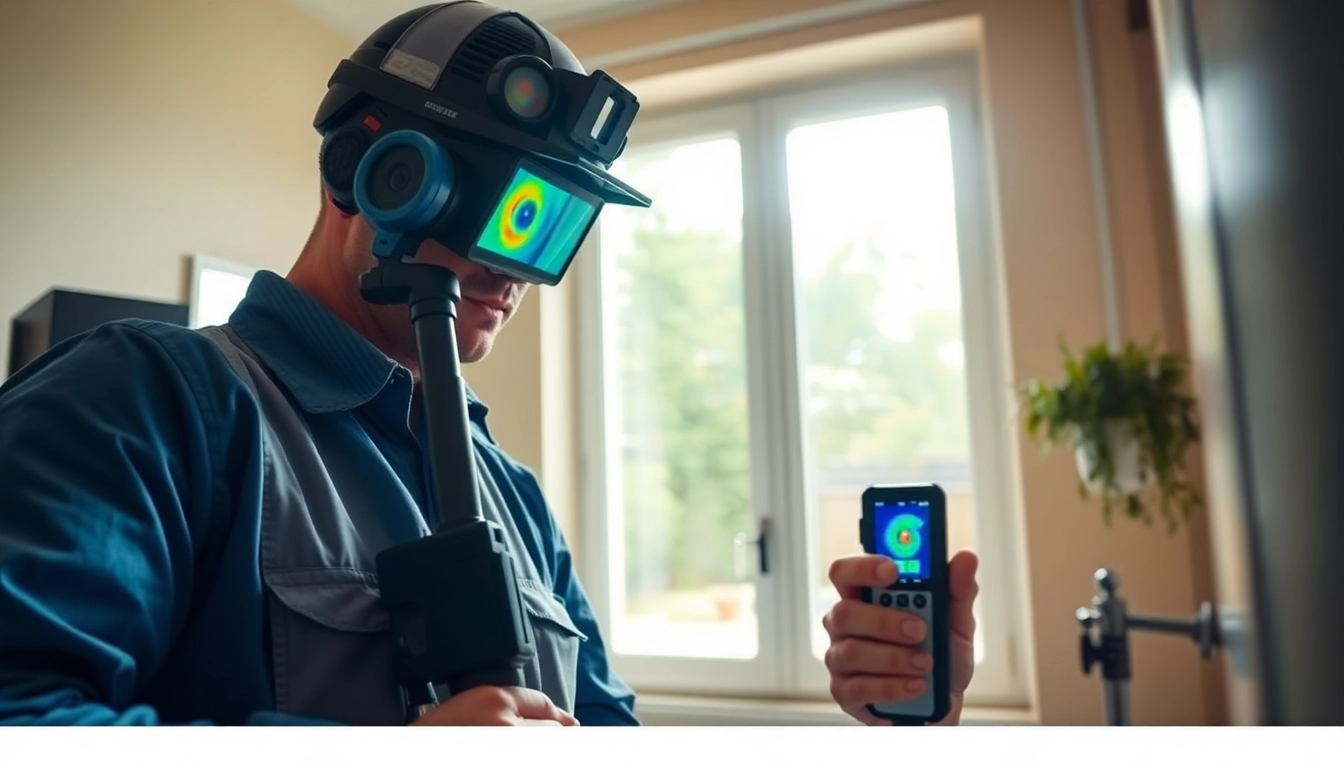
Thermal imaging technology uses infrared cameras to detect temperature variations in building materials. When water leaks occur, they often change the temperature of the surrounding area, which can be identified through thermal imaging. This non-invasive method allows technicians to quickly locate hidden leaks without excessive destruction. It is particularly effective for detecting leaks in walls and ceilings where traditional inspection methods may fail.
Acoustic Sensors: Identifying Hidden Leak Sounds
Acoustic sensors are sophisticated devices that amplify sounds, enabling professionals to listen for the distinctive sounds of escaping water or gas. This method is highly effective for underground pipelines and within walls where visual detection is impossible. By pinpointing the exact location of a leak based on sound, technicians can resolve issues more efficiently, saving time and reducing repair costs.
Tracer Gas Detection: A Reliable Method for Small Leaks
Tracer gas detection involves introducing a safe, odorless gas into the pipe system. If there is a leak, the gas will escape, allowing technicians to identify its location using specialized detection equipment. This method is particularly useful for small or inaccessible leaks, offering a reliable solution where other methods may fall short.
The Process of Leak Detection: What to Expect
Initial Assessment: Signs of Potential Leaks
The leak detection process typically begins with an initial assessment, where technicians look for visible signs of leaks such as damp spots, water stains, or increased water bills. Homeowners should also be vigilant about listening for unusual sounds like dripping water or hissing gas, which can indicate a problem.
Non-Invasive Techniques: Minimizing Property Damage
One of the primary advantages of modern leak detection techniques is their non-invasive nature. This means that methods such as thermal imaging and acoustic detection can identify leaks without cutting into walls or flooring. This not only preserves the integrity of the property but also saves homeowners from costly repairs associated with invasive inspection methods.
Detailed Reporting: Understanding Findings and Solutions
After the leak detection process is complete, technicians provide a comprehensive report detailing their findings. This document outlines the location and nature of the leak, potential causes, and recommendations for repairs. Homeowners are encouraged to review this report to understand the health of their plumbing systems and the steps needed to address any issues.
Cost Considerations for Leak Detection Services
Breakdown of Leak Detection Costs in 2025
The cost of leak detection services can vary widely based on factors such as the complexity of the job and the technology used. On average, homeowners can expect to pay between $150 and $600 for professional leak detection services. This price may increase if extensive repairs are required following the detection of a leak.
Insurance Coverage: What You Need to Know
Many homeowners’ insurance policies cover both leak detection and the necessary repairs, but it’s essential to verify your specific policy details. Understanding your coverage can alleviate the financial burden of unforeseen plumbing issues and allows for quicker remediation.
Long-Term Savings: Preventing Major Repairs
While the initial investment in leak detection may seem significant, the long-term savings are substantial. By addressing leaks early, homeowners can prevent costly damage and extensive repairs down the line. Additionally, effective leak detection can lead to decreased utility bills, as even small leaks can significantly increase water or gas expenses.
Future Trends in Leak Detection Services
Innovations on the Horizon: Smart Leak Detection Systems
The future of leak detection is moving towards the integration of smart technology. Smart leak detection systems that monitor water use and alert homeowners to unusual usage patterns are becoming increasingly popular. These systems can provide real-time data and potentially prevent leaks before they escalate.
Growing Demand for Eco-Friendly Leak Solutions
As environmental concerns rise, there is a growing demand for eco-friendly leak detection solutions. Many companies are focusing on sustainable practices and materials that reduce environmental impact. This trend not only helps the planet but can also create healthier living environments for homeowners.
The Role of AI in Enhancing Leak Detection Accuracy
Artificial intelligence is set to revolutionize the leak detection industry by enhancing the accuracy of detection methods. AI can analyze patterns from past leak data to predict future issues, allowing for proactive maintenance strategies. This technology will enable both homeowners and service providers to address leaks more efficiently and effectively.