
Understanding Wet Room Shower Concepts
What is a Wet Room Shower?
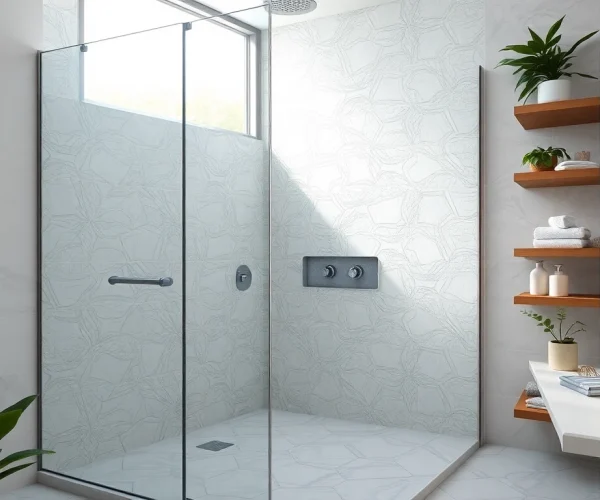
A wet room shower is an open, walk-in shower space designed without traditional enclosures. It has a streamlined appearance, often integrated seamlessly into the rest of the bathroom. The floor is usually level with the shower drain, allowing water to flow freely without barriers. This innovative design not only enhances the aesthetic appeal but also maximizes accessibility and convenience.
Benefits of Choosing a Wet Room Shower
Opting for a wet room shower comes with numerous advantages:
- Space Efficiency: Wet rooms create the illusion of more space, making them ideal for compact bathrooms.
- Accessibility: With no thresholds, they are wheelchair accessible, providing more inclusivity in home design.
- Easy Cleaning: Fewer fixtures and the lack of sealing joints simplify cleaning routines.
- Design Flexibility: Wet rooms can accommodate diverse design elements, enabling a more personalized bathroom.
- Increased Property Value: A well-executed wet room can enhance the aesthetic value of a home, appealing to potential buyers.
Common Design Features of Wet Room Showers
A wet room shower features unique design elements that contribute to its functionality and appeal:
- Glass Screens: Often used to create a barrier without obstructing visual flow, glass screens can enhance safety while maintaining an open feel.
- Non-Slip Flooring: Essential for safety, these surfaces provide grip while still looking stylish and modern.
- Wall-Mounted Fixtures: Showerheads, controls, and shelves are often wall-mounted to minimize clutter on the floor and provide ease of maintenance.
- Integrated Drainage Systems: Modern design may involve linear drains that allow for efficient water flow and drainage.
- Natural Light Integration: Utilizing windows or skylights can combine showering with a rejuvenating bathing experience.
Design Inspirations for Your Wet Room Shower
Modern vs. Traditional Wet Room Showers
The design of a wet room shower can vary dramatically based on personal taste. Modern aesthetics typically favor clean lines, minimalistic decor, and a neutral color palette. Materials like glass, chrome, and stone are often prevalent. Conversely, traditional designs may integrate warmer hues, rustic fixtures, and textured materials, inviting a cozier atmosphere.
Color Schemes That Work
Choosing the right colors is pivotal for creating a desired ambiance:
- Neutral Tones: White, gray, and beige often serve as a backdrop for modern wet rooms.
- Monochromatic Schemes: A single color in varying shades can enhance a sleek, contemporary feel.
- Bold Accents: Incorporating bold hues like deep blues or emerald greens in accessories or décor can serve as focal points.
- Natural Palettes: Earthy tones like olive greens and sandy browns promote a calming, nature-inspired environment.
Accessorizing Your Wet Room Shower
A well-designed wet room shower can be further personalized through carefully selected accessories. Consider the following:
- Shower Mats: Water-resistant mats can add comfort and style while serving a practical purpose.
- Storage Solutions: Open shelving or wall-mounted racks can provide practical places to store toiletries.
- Shower Caddies: Functional yet aesthetic, they keep essentials organized while enhancing overall decor.
- Lighting: Coordinate ambient lighting with task lighting to enhance both functionality and aesthetic appeal.
Installation Guide for a Wet Room Shower
Planning Your Space Effectively
Successful installation of a wet room shower requires careful planning of the space. Assessing the room’s size, layout, and plumbing configurations is essential. Incorporate design principles early in this phase to ensure that the end result meets the intended functionality and aesthetic standards:
- Measure dimensions accurately.
- Identify location for plumbing and drainage installations.
- Consider accessibility needs and how the shower integrates with the rest of the bathroom.
Waterproofing Your Wet Room Shower
Waterproofing is critical in any wet room shower to prevent water damage. Here are key steps:
- Apply a Waterproof Membrane: This layer is essential under the flooring to create a watertight seal.
- Select Quality Grout: Choose waterproof grout designed to endure exposure to moisture.
- Seal Joints and Edges: Ensuring all connections and edges are fully sealed will minimize leakage risks.
Essential Tools and Materials Needed
Before beginning installation, ensure you have gathered the following tools and materials:
- Measuring tape
- Tile cutter
- Level
- Waterproof adhesive & membrane
- Quality tiles
Maintaining Your Wet Room Shower
Cleaning Tips to Keep It Sparkling
Regular cleaning keeps your wet room shower looking its best. Natural cleaning solutions can be effective:
- Use a mixture of vinegar and baking soda for a natural scrub.
- Employ a squeegee post-use to prevent water spots.
- Wipe down surfaces with a soft cloth to maintain shine and prevent buildup.
Preventing Mold and Mildew
Wet environments can encourage mold growth. Follow these preventive steps:
- Ensure proper ventilation within the bathroom to reduce dampness.
- Use mildew-resistant paint or sealant on surfaces.
- Regularly check grout lines and reseal as necessary.
When to Consider Professional Help
While basic maintenance can be handled personally, certain situations may require expertise:
- Severe water damage.
- Persistent leaks despite attempts to fix them.
- Issues regarding the integrity of waterproofing.
- Complex installations or modifications.
FAQs About Wet Room Showers
How much does a wet room shower cost?
Costs vary based on size and materials, typically ranging from $2,000 to $5,000.
Are wet room showers suitable for small bathrooms?
Absolutely! Wet room showers can enhance space perception and functionality in small areas.
Do I need special flooring for a wet room shower?
Yes, slip-resistant and waterproof flooring is essential for safety and durability.
Can I install a wet room shower myself?
While DIY is possible, hiring a professional is recommended for waterproofing and plumbing.
How do I prevent water leakage in my wet room shower?
Ensure proper waterproofing and use high-quality seals and drains to minimize leaks.