
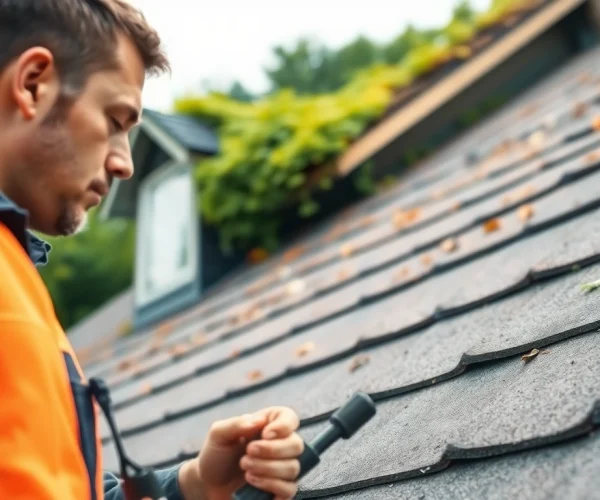
Understanding Spray Foam Roof Problems
Spray foam roofs are increasingly becoming a popular choice among property owners due to their exceptional insulating properties and seamless application. However, like any roofing system, they are not immune to issues that can affect their performance and longevity. Understanding the common problems associated with spray foam roofs is crucial for maintaining their integrity. By recognizing these issues early on, property owners can take proactive measures to address them before they escalate into costly repairs. For a comprehensive overview of spray foam roof problems, it is essential to delve deeper into the various factors that can lead to these issues.
Common Issues Affecting Spray Foam Roofs
Several factors can contribute to problems with spray foam roofs. Understanding these issues not only aids in early detection but also equips homeowners with the knowledge needed to prevent them. Here are some common problems:
- Physical Damage: Hail, standing water, and foot traffic can lead to physical damage. Cracks and holes can compromise the insulation properties of spray foam roofs.
- Moisture Intrusion: If the spray foam is not properly installed or if there are gaps in the seal, moisture can infiltrate, leading to mold growth and structural damage.
- Sun Exposure: UV rays can degrade the foam over time. Without proper protective coatings, the lifespan of the spray foam can be significantly reduced.
- Improper Installation: The quality of installation plays a pivotal role in the long-term performance of the roof. Poor application techniques can result in uneven surfaces and insufficient coverage.
How Weather Affects Spray Foam Integrity
Weather conditions significantly impact the durability of spray foam roofs. Extreme temperatures, whether hot or cold, can cause contraction and expansion, which may lead to cracks and gaps. Additionally, heavy rain can lead to pooling water, which increases the risk of moisture issues. Understanding how these weather patterns influence roof integrity can assist homeowners in taking preventative actions, such as regular inspections and timely maintenance.
The Role of Installation Quality in Roof Longevity
The installation process is critical to the success of spray foam roofing. Poor application techniques can result in a myriad of problems, including incomplete coverage and insufficient adhesion. Homeowners should ensure that their roofs are installed by certified professionals who follow industry best practices. Investing in quality installation can save significant costs associated with repairs and replacements in the future.
Identifying Signs of Problems
Recognizing the early signs of roof problems is vital. Homeowners should perform regular inspections to identify potential issues before they worsen. Here are some key indicators to look for:
Visible Damage and Wear Indicators
Look for signs of physical damage such as cracks, blisters, or holes in the foam. Additionally, discoloration can indicate UV damage or moisture issues. Stains on the interior ceiling or walls may suggest leaks or trapped moisture, necessitating immediate attention.
How to Conduct a Roof Inspection
Conducting a thorough roof inspection should be done periodically, especially after severe weather events. Here’s how to do it effectively:
- Start by inspecting the perimeter of the roof for any visible damage.
- Look for pooling water, which may indicate drainage problems.
- Check for peeling or bubbling of the foam surface.
- Use binoculars for a closer look at hard-to-reach areas.
Understanding Heat and Moisture Effects
Heat and moisture can have detrimental effects on spray foam roofs. High temperatures can cause the foam to expand, while moisture can lead to mold growth. Identifying the signs of heat damage, such as black marks around the edges, and moisture problems, such as damp spots, is crucial for timely intervention.
Addressing Spray Foam Roof Problems
Once issues are identified, addressing them promptly can avert more significant problems later on. Here are strategies for resolving common spray foam roof issues:
DIY Solutions for Minor Issues
Small repairs can often be completed by homeowners. For instance, minor cracks can be filled with a specially formulated foam sealant, while small areas of delamination can be reattached using adhesive. However, it is essential to follow manufacturer instructions and safety guidelines carefully.
When to Call a Professional
For significant issues—such as widespread damage, substantial leaks, or severe structural concerns—seeking professional help is advisable. Certified roofing professionals can assess the situation accurately and apply the necessary repairs to restore the roof to its optimal condition.
Repair Techniques and Products Overview
Various products are available for different types of repairs:
- Foam Sealant: Ideal for filling minor cracks and gaps.
- Roof Coatings: Protective barrier against UV damage and moisture intrusion.
- Spray Foam Reapplication: When extensive damage occurs, patching or reapplying foam may be necessary.
Preventative Measures for Roof Longevity
Implementing preventative maintenance strategies can significantly extend the life of your spray foam roof. Here are some best practices:
Regular Maintenance Guidelines
Scheduled maintenance checks should be a top priority for property owners. Regularly inspect the roof and check for signs of wear or damage—preferably in spring and fall. Addressing issues early can prevent costly fixes down the line.
Effective Cleaning Techniques
Keeping a spray foam roof clean helps maintain its integrity. Use a soft broom or brush to remove debris and avoid damaging the foam surface. For tougher stains, a mixture of mild detergent and water can be used. Always rinse thoroughly to avoid residue buildup.
Choosing Quality Materials for Repairs
When it comes to repairs, selecting high-quality materials can make a difference. Always source products that are compatible with spray foam roofs, and ensure they meet industry standards. Using inferior materials can result in quickened deterioration of the roof.
Frequently Asked Questions about Spray Foam Roof Problems
What causes spray foam roof problems?
Common causes include poor installation, physical damage, moisture intrusion, and UV exposure.
How can I identify issues early?
Conduct regular inspections for visible damage, discoloration, and stains in the interior space.
Are repairs easy to do by myself?
Minor repairs like filling cracks can be a DIY task, but complex issues should be handled by professionals.
What maintenance is required for foam roofs?
Regular inspections, cleaning, and prompt repairs are essential to maintain the roof’s integrity.
How long does a spray foam roof typically last?
With proper installation and maintenance, a spray foam roof can last 20 to 30 years.