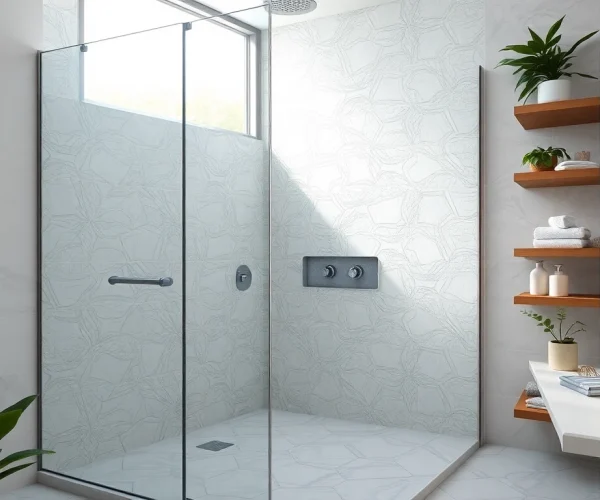

Understanding the Role of Manchester Bathroom Fitters
When it comes to transforming your bathroom into a stylish and functional space, the expertise of manchester bathroom fitters is essential. They not only bring a wealth of knowledge about fixtures and installations but also offer insights into current design trends, ensuring that your renovated bathroom meets both your aesthetic desires and practical needs. Let’s delve deeper into the roles they play and how to collaborate effectively with them.
What Services Do They Provide?
Manchester bathroom fitters provide a comprehensive range of services designed to facilitate every aspect of bathroom renovation. These services include:
- Design Consultation: They work with you to create a design that maximizes space, incorporates your style, and adheres to building regulations.
- Plumbing and Electrical Work: This involves the installation and relocation of pipes, sinks, bathtubs, toilets, and lighting fixtures.
- Tiling and Flooring: Expert tiling and floor installation ensures a high-quality finish that is both durable and visually appealing.
- Fixture Installation: From toilets to faucets, fitters will help you choose and install the best fixtures for your bathroom.
- Project Management: They coordinate timelines and manage contractors to ensure the project stays on track.
- Post-Installation Support: Many fitters offer maintenance services to resolve any issues after the installation is complete.
The Skills and Expertise Required
The role of a bathroom fitter is multifaceted, requiring a diverse skill set:
- Technical Skills: Proficiency in plumbing, electrical work, and carpentry is essential.
- Design Skills: Understanding color schemes, spatial planning, and current trends is critical for creating an attractive bathroom.
- Problem Solving: Fitters often face unexpected challenges that require innovative solutions.
- Attention to Detail: Quality finishes require precise measurements and careful execution.
- Project Management: Keeping the project on schedule and within budget is key to success.
Choosing the Right Fitters for Your Project
Selecting the right Manchester bathroom fitters is crucial for a successful renovation. Here are key considerations:
- Check Credentials: Ensure they have the necessary licenses and certifications.
- Experience and References: Look for fitters with a solid portfolio and positive customer reviews.
- Get Multiple Quotes: Compare estimates to understand the average costs involved.
- Discuss Your Vision: Communication is critical. A good fitter will be interested in your ideas and offer valuable feedback.
- Check Insurance: Ensure they have liability insurance to protect against potential mishaps.
Planning Your Bathroom Renovation
Essential Considerations Before Starting
Before diving into your renovation, several essential factors must be considered:
- Space Measurement: Accurate measurements ensure that your design is feasible.
- Style Preference: Determine whether you like classic, modern, or perhaps a blend of styles.
- Bathroom Function: Consider the primary use of the bathroom: guest, family, or master bath. Each has different needs.
- Accessibility: If anyone in your household has mobility issues, consider features like grab bars or walk-in tubs.
- Lighting: Plan for a combination of ambient, task, and accent lighting to enhance functionality.
Budgeting for Your Renovation
Creating a budget is a vital step in your bathroom renovation process. Here’s how to do it effectively:
- Estimate Costs: Include all aspects such as materials, labor, and permits in your budget.
- Set Priorities: Decide where you want to spend more and where you can cut costs without compromising quality.
- Don’t Forget Contingencies: Allocate 10-20% of your budget for unexpected expenses that may arise during the renovation.
- Research Materials: Prices vary widely based on quality; purchasing higher quality can save costs in the long run.
Design Trends from Manchester Bathroom Fitters
Staying up-to-date with design trends can help ensure your new bathroom remains stylish and functional:
- Natural Elements: Wood accents and plants are popular for making bathrooms feel more tranquil.
- Floating Vanities: These create a sense of space while providing stylish storage solutions.
- Bold Colors: Rich hues and patterns are gaining traction, moving away from monochromatic palettes.
- Smart Technology: Integrated features such as heated floors and smart mirrors are becoming more common.
- Vintage Fixtures: Retro styles are making a comeback, adding character and charm.
Execution and Installation Process
Timelines and Expectations
The timeline for a bathroom renovation can vary based on the scope of the project, but typical benchmarks include:
- Design Phase: 1-2 weeks for consultations and design finalization.
- Demolition: 1 week to clear out the old bathroom.
- Construction and Installation: 2-4 weeks depending on complexity.
- Final Touches and Inspection: 1 week for final adjustments and walkthroughs.
Quality Checks During Renovation
Maintaining quality throughout the installation is key to avoiding future issues. Consider the following checks:
- Regular Site Visits: Frequent inspections help ensure work is done to specification.
- Verify Material Quality: Insist on receiving materials before installation to ensure they meet expectations.
- Check Workmanship: Examine fittings and installations as they progress to catch any problems early.
- Review Safety Standards: Ensure all electrical and plumbing work adheres to local safety codes.
Common Challenges Faced and Solutions
Renovations often come with challenges. Here are some common issues and ways to address them:
- Unexpected Structural Issues: If hidden damage is found, adjust the budget and timeline accordingly.
- Delays in Material Delivery: Order materials well in advance and consider alternative options to keep projects on track.
- Design Disputes: Keep open lines of communication with fitters and be willing to compromise.
- Budget Overruns: Stick to your budget by making decisions early and ensuring clear contracts.
Post-Renovation Care and Maintenance
How to Maintain Your New Bathroom?
After your renovation is complete, maintaining your bathroom is crucial for its longevity:
- Regular Cleaning: Use non-abrasive cleaners to protect surfaces.
- Check for Leaks: Regularly inspect plumbing fixtures for leaks to prevent water damage.
- Monitor Grout Condition: Retain grout’s integrity by sealing it and re-grouting if necessary.
- Ensure Adequate Ventilation: Use exhaust fans to minimize moisture and prevent mold growth.
Signs It’s Time for an Upgrade
Know when it’s time to consider an upgrade to maintain function and style:
- Frequent Repairs: If you find yourself constantly fixing plumbing or electrical issues, it may be time to renovate.
- Outdated Design: An old bathroom can detract from your home’s overall appeal.
- Space Constraints: If your bathroom feels cramped, it might be time to rethink the layout.
- Decreased Value: An updated bathroom can increase your property value significantly.
When to Call Back Your Manchester Bathroom Fitters
Knowing when to enlist the help of your bathroom fitters again can save you time and money:
- Major Repairs: If repairs are beyond your skill level, it’s best to call a professional.
- Installation of New Features: If you want to add features like a new shower or upgrade fixtures.
- Annual Maintenance: Consider a yearly check-up for ongoing care and any potential updates needed.
Frequently Asked Questions
How long does a typical bathroom renovation take?
Renovations typically take 3 to 5 weeks, depending on complexity and availability of materials.
What factors affect the overall cost?
Costs are impacted by size, materials chosen, labor rates, and design complexity.
Can I choose my fixtures and fittings?
Yes, most Manchester bathroom fitters help you select fixtures that match your design vision.
What happens during the initial consultation?
Fitters assess your space, discuss your needs, and provide an estimate for time and cost.
Do I need to obtain permits for renovations?
Most likely, yes. Permits are often required for significant plumbing and electrical work.